Crime isn't just about statistics and police reports—it's about the single mother who double-checks her door locks three times before bed, the street vendor who pays "protection money" just to keep his cart safe, and the way entire neighbourhoods change when fear takes root. While governments debate policies and experts analyse trends, the real impact of crime plays out in these quiet, everyday moments. Let's examine how crime is evolving worldwide, who it affects most, and what actually works to make communities safer.
The Global Crime Landscape: More Complex Than Ever
The 21st century has transformed crime in ways we're still struggling to understand. Where criminals once needed physical proximity to their victims, today's digital world allows fraudsters in Nigeria to scam retirees in Canada, while drug cartels use cryptocurrency to launder money across borders. Yet despite these high-tech changes, the human cost remains devastatingly personal.
1. Violent Crime: The Good News and the Bad
Globally, violent crime rates have seen surprising declines in many developed nations, but alarming spikes elsewhere:
Success Stories
New York City's murder rate dropped from over 2,200 annually in 1990 to under 500 today through community policing and smart surveillance. Similar drops occurred in Singapore and Japan through strict gun control and social cohesion.
Ongoing Crisis Zones
In Latin America, the situation remains dire:
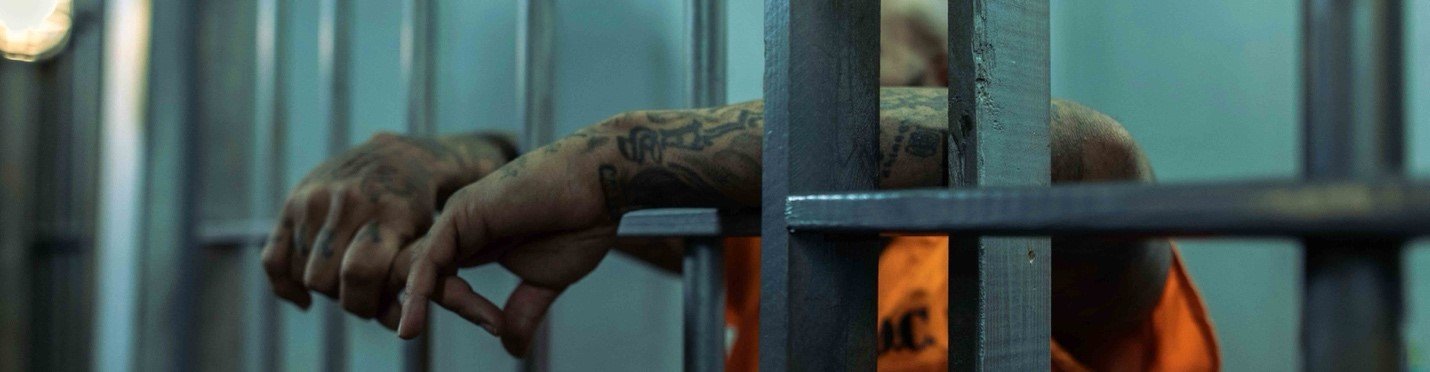
• El Salvador's gang violence became so severe the government now holds 2% of the population in prisons
• In Jamaica, political gangs control entire neighbourhoods, with murder rates 5x global averages
• South Africa sees 45,000 reported rapes annually—likely just a fraction of actual cases
A nurse in Cape Town describes the trauma ward's nightly routine: "We stock extra blood on weekends. The patterns never change—Friday nights are stab wounds, Saturday mornings are gunshots."
2. Theft in the Digital Age: From Burglaries to Cyber Heists
While your grandparents worried about pickpockets, today's thieves operate differently:
The Scam Pandemic
• Romance scams drain $1 billion annually from lonely Americans
• "Grandparent scams" trick elders into wiring life savings to fake relatives
• A Tokyo businessman lost $500,000 to a fake CEO email in minutes
Organized Retail Crime's New Boldness
Flash mobs in California ransack stores in broad daylight, while cargo thefts at ports have become military-style operations. A security guard in Chicago shrugs: "They know we can't touch them. The laws on their side."
3. White-Collar Crime: The Biggest Thefts You Never See
These invisible crimes cost more than all robberies combined:
Corporate Fraud
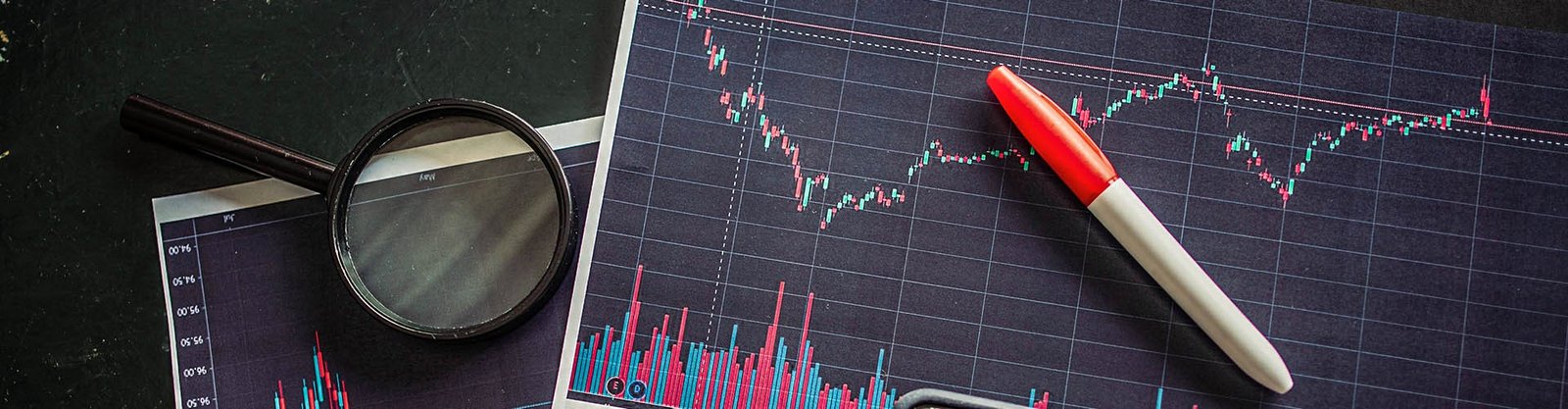
• The 2008 financial crisis wiped out $10 trillion in wealth through reckless banking
• FTX's collapse proved crypto could be an even faster way to lose billions
Wage Theft Epidemic
In Australia alone, employers steal $1 billion annually from workers' pay checks. A Sydney construction worker explains: "They say 'take this cash rate or we'll find someone who will.' What choice do we have?"
Why Crime Persists: Roots and Solutions
Understanding crime requires looking beyond simply "good vs evil" narratives:
The Inequality Connection
• In Rio's favelas, teens join gangs because the starting salary ($300/month) beats any legal job available
• Detroit's abandoned neighbourhood became perfect hideouts for drug operations
Surprising Success Stories
Portugal's Drug Decriminalization
Since 2001, treating addiction as a health issue (not a crime) cut overdose deaths by 80%
Bogotá's Cultural Transformation
Former mayor Mock us used mimes to shame traffic violators, cutting fatalities by 50%
When Punishment Fails
America's mass incarceration experiment proved more prisons ≠ less crime. Meanwhile:
• Norway's humane prisons have Europe's lowest reoffending rates (20% vs 75% in U.S.)
• Rwanda rebuilt its justice system after genocide to focus on reconciliation
The Future of Crime—And Safety
Emerging threats require new defences:
Cybercrime Arms Race
- Deep fake scams now mimic CEOs' voices to authorize fraudulent transfers
- Ransomware attacks shut down hospitals and pipelines
Climate Change Crime Waves
- Drought-stricken Somalia saw piracy surge as fishing collapsed
- After hurricanes, looters and fraud contractors descend on devastated areas
The Hope Factor
Programs that work share one trait—they restore dignity:
• Medellín's library parks transformed former gang territories
• Chicago's READI program pays at-risk youth to learn job skills instead of joining gangs
Final Thought:
Crime ultimately reflects what we value—and neglect—as societies. When schools crumble while prisons expand, when billionaires dodge taxes while shoplifters face harsh penalties, the message is clear. The safest societies aren't those with the most police, but where people have real alternatives to crime.