
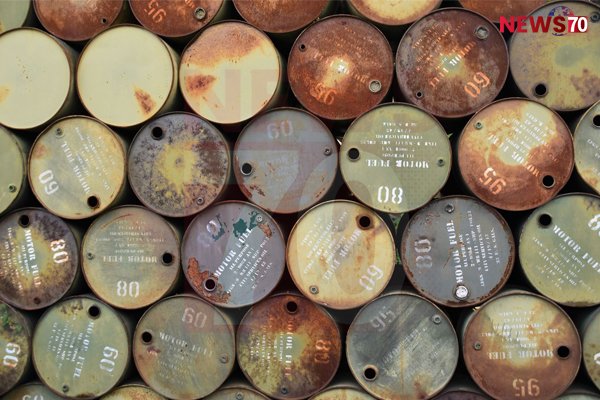
India continues importing Russian oil despite U.S. pressure and new tariffs imposed by President Trump. While India defends its energy security interests, trade with the U.S. faces strain.
Sticky Business: India Weighs Russian Oil Imports Amid U.S. Pressure
India reaffirmed its energy strategy Thursday, saying national interest remains its top priority after U.S. President Donald Trump claimed New Delhi had pledged to stop purchasing Russian oil. While India did not directly confirm or deny a policy shift, its actions and trade patterns reveal a complex balancing act between economic needs and geopolitical pressure.
India’s Oil Math: How Dependent Is It on Russia?
India, among the world’s top crude oil importers, relies on foreign sources for over 85% of its oil consumption. Before Russia’s invasion of Ukraine in 2022, India sourced most of its oil from the Middle East. But the conflict opened a new window: discounted Russian crude.
In 2024, nearly 36% of India’s total crude oil imports came from Russia — up from just 2% before the war. According to India’s commerce ministry, the country bought approximately 1.8 million barrels per day from Russia this year, accounting for around 37% of Moscow’s total oil exports, second only to China.
Have Tariffs Dented Oil Imports?
Despite Trump's claim, trade data tells a more nuanced story. In September 2025, India’s Russian oil imports slipped to 1.6 million barrels per day, about 160,000 barrels less than the 2025 monthly average.
However, analysts believe this decline is tied more to shifting price dynamics than any concrete policy change. Since oil contracts are typically arranged weeks in advance, the real effects of Trump’s 50% tariffs on Indian exports may not be visible until the end of October.
Meanwhile, those tariffs have started to bite elsewhere. Exports from India to the U.S. its biggest trade partner — fell nearly 12% year-on-year in September, and over 20% month-on-month, according to government data. Yet, India's total exports for the month rose 6.7% to $36.38 billion, bolstered by increased trade with China and the UAE.
Why Russia Remains a Key Supplier
India’s foreign ministry defended the oil relationship with Moscow, stating that it began buying more Russian oil when traditional suppliers diverted shipments to Europe amid the Ukraine conflict. At the time, the U.S. had even encouraged Indian purchases to stabilize global markets.
Discounted Russian crude has helped India save billions in import costs, keeping domestic fuel prices in check. Though the price advantage has narrowed from 14% in FY 2023–24 to 7% in FY 2024–25, Russian barrels remain cost-effective.
India argues its continued purchases have contributed to global price stability, despite mounting Western pressure.
Can India Pivot Away From Russia?
India still relies heavily on the Middle East, particularly Iraq and Saudi Arabia, for oil — these nations provided 45% of total imports in 2024, down from around 60% pre-2022.
According to Kpler analyst Sumit Ritolia, Indian refineries are capable of handling a variety of crude types, so technical constraints are minimal. However, switching away from Russian oil would be economically and politically challenging.
“On paper, India could shift suppliers,” Ritolia said, “but the replacement barrels would likely come at a higher cost.”
Russia’s Oil Revenue Remains Resilient
Western nations have tried repeatedly to squeeze Russia’s oil revenue, aiming to reduce funding for its war effort. But Moscow has effectively reoriented its exports toward alternative buyers like India and China, preserving a multi-billion-dollar cash flow despite sanctions.