
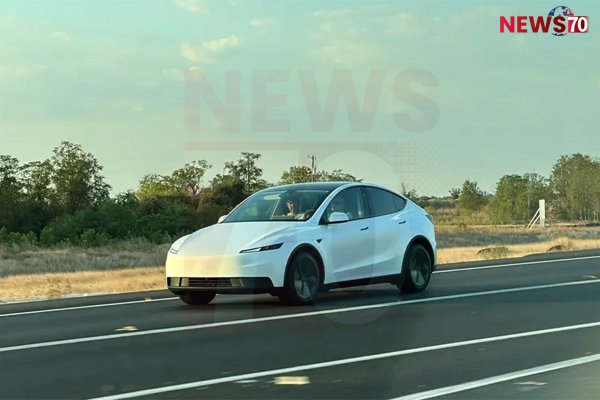
Tesla unveiled lower-cost versions of its popular Model Y and Model 3 in the US to offset the end of a federal tax credit. However, shares fell 4% as investors were underwhelmed. The new models are only $5,000 cheaper than previous versions and lack some features. Tesla faces growing competition, reduced government EV support, and challenges from prior pricing and delivery declines. Despite recent EV sales spikes, analysts say the surge was driven by buyers rushing before the tax credit expired.
Tesla Shares Slide as New Lower-Cost Models Fail to Excite Investors
Tesla has introduced cheaper versions of two of its most popular US models, aiming to boost sales after the expiration of a key federal tax credit.
However, the announcement failed to impress investors, and Tesla’s shares dropped about 4%. In the US, the new versions of the Model Y mid-size SUV and Model 3 sedan are priced only $5,000 lower than previous versions.
Facing growing competition, Tesla has struggled to launch more affordable vehicles quickly, despite releasing a new Model Y earlier this year. CEO Elon Musk had previously promised a budget-friendly car but abandoned the plan last year to focus on robotaxis and humanoid robots.
“Elon has a way of getting people to focus on the future. Today is the downside of that,” said James Stanley, a macro analyst at StoneX, commenting on Wall Street’s reaction.
“It’s a lower-cost EV that everyone pretty much expected.”
Despite Musk’s emphasis on artificial intelligence projects, Tesla’s business still heavily relies on car sales, which are under pressure from several challenges. These include reduced US government support for electric vehicles, competition from Chinese manufacturers, and consumer backlash over Musk’s involvement in the Trump administration.
In July, Tesla reported a 12% drop in second-quarter sales to $22.4 billion, the largest decline in at least a decade, following a 14% fall in deliveries.
Last week, Tesla joined other automakers in reporting record EV sales over the past three months. Analysts, however, noted that the spike was largely due to consumers rushing to buy vehicles before the end of the federal subsidy.
Following the expiration of the US tax credit at the end of September, Tesla’s vehicle prices increased by up to $7,500 (£5,588). Company executives have warned that the loss of the tax incentive could negatively impact US sales.
The newly released, lower-cost models aim partly to offset this loss, but they lack certain features available in other Tesla vehicles. The Model Y and Model 3 stripped-down versions are priced at $39,990 and $36,990 respectively in the US. They are not yet listed on Tesla’s UK website.
Tesla’s most recent major launch, the Cybertruck, has delivered lacklustre results, with US sales totaling roughly 52,000 units since deliveries began in 2023, according to Cox Automotive.