
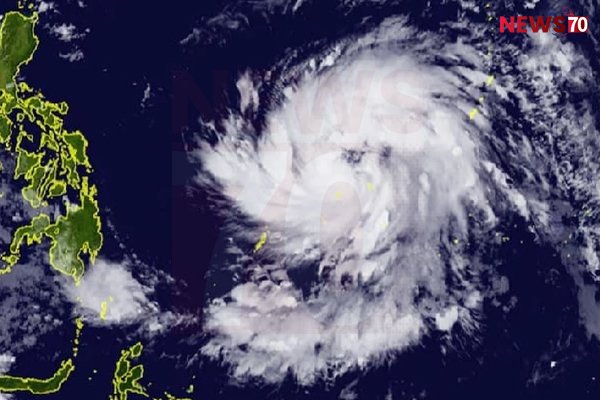
The Philippines has evacuated over 100,000 residents as Super Typhoon Fung-Wong (Uwan), packing winds up to 230 kph, nears landfall in Aurora province. Authorities have issued the highest storm alert levels, with flooding, storm surges, and power outages already reported. Over 300 flights have been canceled, and residents are urged to remain alert. The storm arrives just days after Typhoon Kalmaegi killed 204 in the Philippines and five in Vietnam, highlighting the region’s growing vulnerability to extreme weather.
Philippines Evacuates Over 100,000 as Super Typhoon Fung-Wong Approaches with Destructive Force
The Philippines has evacuated more than 100,000 residents from its eastern and northern regions as Typhoon Fung-Wong intensified into a super typhoon on Sunday, just hours before its expected landfall. Authorities warned of torrential rainfall, powerful winds, and life-threatening storm surges as the country braced for one of its strongest storms of the year.
The Philippine Atmospheric, Geophysical and Astronomical Services Administration (PAGASA) has raised storm alert signals across vast parts of the country. Signal No. 5, the highest cyclone warning, was issued for southeastern Luzon, including Catanduanes and the coastal areas of Camarines Norte and Camarines Sur. Meanwhile, Metro Manila and surrounding provinces were placed under Signal No. 3, signaling the potential for damaging winds and widespread flooding.
According to PAGASA, Super Typhoon Fung-Wong — known locally as Uwan — was packing sustained winds of 185 kilometers per hour (115 mph) and gusts reaching 230 kph (143 mph). The storm was forecast to make landfall in Aurora province, located in central Luzon, late Sunday night or early Monday morning.
By midday Sunday, several towns in Eastern Visayas were already experiencing power outages as heavy rains and strong winds battered the region.
Images released by the Philippine Coast Guard in Camarines Sur showed evacuees clutching bags and small bundles of belongings while boarding trucks during preemptive evacuation efforts. Many had traveled by long, narrow passenger boats from low-lying coastal areas to safer inland locations.
The approaching storm has also disrupted air travel nationwide, with more than 300 domestic and international flights canceled, according to the Civil Aviation Authority of the Philippines (CAAP).
In the province of Catanduanes, video footage shared by ABS-CBN News on X (formerly Twitter) captured violent winds whipping tree branches, heavy downpours, and gray skies blanketing the island, as the storm’s outer rainbands began to lash the area.
Super Typhoon Fung-Wong comes just days after the Philippines was devastated by Typhoon Kalmaegi, which left 204 people dead and destroyed vast swathes of infrastructure before moving on to Vietnam, where it killed five more people and ravaged coastal communities.
In Vung Cheo, a fishing village in central Vietnam, the aftermath of Kalmaegi remained visible — boats lay piled on roadsides, and hundreds of lobster farms had been washed away or severely damaged.
Philippine authorities have urged residents in vulnerable areas to remain alert, avoid coastal zones, and heed all evacuation orders, warning that landslides and flash floods are likely as the super typhoon barrels toward Luzon.