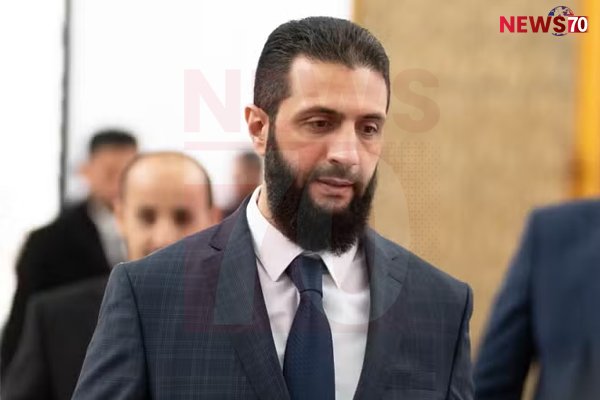
Syria is set to hold its first parliamentary elections since Bashar al-Assad’s ouster, though voting will not be direct and excludes three provinces due to security concerns. Two-thirds of lawmakers will be chosen by electoral colleges, while Interim President Ahmed al-Sharaa will appoint the rest. Civil groups warn the setup gives the president excessive control, making the polls largely symbolic despite pledges of reform and inclusivity.
Syria will hold its first parliamentary elections on Sunday since the ouster of Bashar al-Assad, amid growing concerns over inclusivity and repeated delays.
The vote will not be a direct one for the People’s Assembly, which is set to legislate during the country’s transitional period. Instead, representatives for two-thirds of the 210 parliamentary seats will be chosen by “electoral colleges,” while Interim President Ahmed al-Sharaa will appoint the remaining members.
Assad, who ruled for 13 years, was toppled ten months ago after a brutal civil war that left the country deeply divided.
Authorities have postponed voting in three provinces—Raqqa, Hassakeh, and Suweida—citing security concerns. The latter saw deadly clashes in July between government troops and Druze militias, marking the latest outbreak of sectarian violence since Assad’s fall.
In his address to the UN General Assembly last week—the first by a Syrian leader in six decades—President Sharaa vowed to hold accountable all those responsible for the bloodshed and atrocities committed during Assad’s rule. He declared that Syria was “rebuilding itself through the creation of a new state, and institutions and laws that protect the rights of all citizens without exception.”
The Higher Committee for the Syrian People’s Assembly Elections, an 11-member body appointed by Sharaa in June, will supervise Sunday’s vote. Seat allocations across the country’s 60 districts are based on 2010 census data—collected just before the civil war that claimed more than 600,000 lives and displaced around 12 million people.
Because of the postponements, only 50 districts will be holding elections on Sunday, with electoral colleges selecting candidates for roughly 120 seats. More than 1,500 contenders—all drawn from within the colleges—are competing, though individuals linked to the former regime, designated terrorist groups, or advocates of secession and foreign intervention were barred from participating.
At least 20% of the college members are women, but no quotas exist for female lawmakers or for Syria’s diverse ethnic and religious minorities.
The president will directly appoint 70 of the 210 legislators from outside the electoral college system.
Last month, 14 Syrian civil society organizations criticized the arrangement, warning that it gives the president excessive influence over parliament’s composition.
“This structure leaves the parliament vulnerable to power dynamics that do not reflect the people’s will, undermining its representative character and allowing the executive branch to dominate an institution meant to embody independence and accountability,” they said in a joint statement.
They added that the president’s sway over both the Higher Committee and the electoral colleges makes the upcoming elections “largely symbolic, stripped of their democratic purpose of ensuring genuine representation.”